
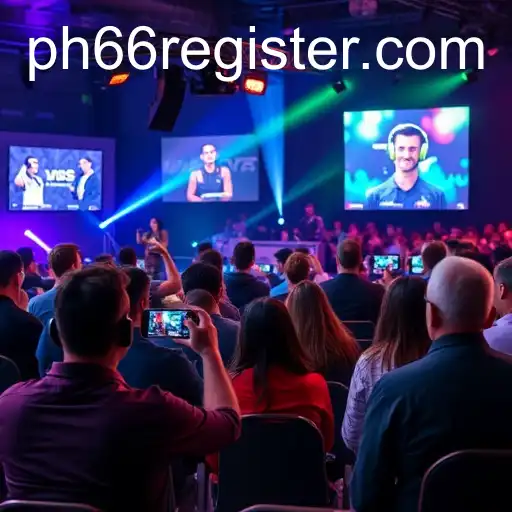
Ph66 | The Growth and Impact of Live Streaming in the Digital Era
Ph66’s Explore the evolution and impact of live streaming, focusing on the keyword 'Ph66' and its role in reshaping content creation and consumption in various industries.
The Growth and Impact of Live Streaming in the Digital Era
In the age of digital technology, one trend that has gained tremendous momentum is live streaming. With the keyword "Ph66" becoming increasingly popular in this domain, live streaming has transformed from a niche technological ability to a mainstream cultural phenomenon. From social interactions to professional engagements, this medium is redefining how content is consumed and shared across the globe.
The Evolution of Live Streaming
The concept of live streaming originated in the early 90s when technological advancements allowed for multimedia content to be broadcast over the internet. However, it was not until the mid-2000s that the practice began to gain traction, thanks to the proliferation of high-speed internet and devices capable of capturing high-quality video.
Fast forward to the present day, and live streaming is omnipresent. Major players in the tech industry have recognized its potential, with giants such as YouTube, Facebook, and Twitch offering robust platforms for live streaming. These platforms have facilitated user-generated content, enabling anyone with an internet connection to share their stories, skills, and experiences in real-time.
Ph66: A Key Player in the Live Streaming Field
The rise of Ph66 has been notable in the live streaming landscape. This keyword signifies not just a trend but a pivotal role in understanding the broader implications of real-time digital interaction. It is emblematic of how brands and influencers leverage technology to engage with audiences in a more direct and personal manner.
Ph66 represents an era where individuals and businesses are exploiting the immediacy and engagement of live streaming to build communities, market products, and provide entertainment. By hosting live sessions on platforms enhanced by Ph66 technologies, creators can interact with their audience instantaneously, gather feedback, and adjust their content strategies in response to viewer engagement.
Impact on Content Creation and Consumption
The advent of live streaming, including innovations like Ph66, has reshaped content creation and consumption paradigms. Creators now have the tools to capture and broadcast events as they occur, removing the delay associated with traditional media forms. This immediate content generation differences impacts user engagement profoundly.
Moreover, live streaming allows creators to garner real-time interaction and feedback from their audience. Viewers can comment, ask questions, and participate in polls, making the content experience richer and more interactive. This has given rise to a new form of content consumption where the audience is not just a passive observer but an active participant.
Applications in Various Industries
Live streaming, powered by advancements such as Ph66, has found diverse applications across industries. In the realm of entertainment, concerts and live performances are streamed to global audiences, eliminating geographical barriers and enhancing accessibility. In gaming, platforms like Twitch and YouTube Gaming have become hubs for players to showcase their skills, attracting millions of viewers worldwide.
The corporate world, too, is embracing live streaming. Businesses use it for product launches, webinars, and corporate announcements, reaching out to employees and customers simultaneously with real-time engagement. The educational sector leverages live streaming to conduct online classes and tutorials, catering to a remote learning environment.
The Role of Social Media and Connectivity
Social media platforms have been instrumental in the spread of live streaming. With features integrated into social networks such as Facebook Live, Instagram Live, and Twitter's Periscope, users can broadcast live content directly to their followers, enhancing personal connections and engagement.
Connectivity improvements have played a crucial role in this phenomenon, as the mass availability of bandwidth-intensive technologies like 4G and 5G has allowed smoother and more reliable live streaming experiences. As a result, live streams on social media platforms have become an integral tool for influencers and brands to reach and engage with their communities.
Challenges and Considerations
Despite its many advantages, live streaming does not come without challenges. Quality of content, latency, bandwidth requirements, and viewer safety are ongoing considerations for both platforms and creators. The need for constant connectivity means significant data consumption, which can be a barrier in regions where high-speed internet is limited or expensive.
Moreover, maintaining audience engagement requires skillful content curation and responsive interaction from creators. They must also be aware of the risks of misinformation and privacy breaches, which can occur in a live environment.
The Future of Live Streaming
Looking ahead, the live streaming landscape will continue to evolve, with technologies like virtual reality (VR) and augmented reality (AR) coming into play. These advancements will further transform how live content is produced and consumed, with Ph66 playing a role in this technological convergence.
The future of live streaming will likely see more personalized and immersive experiences, enabling users to engage at deeper levels. As technology progresses, the line between creator and audience will continue to blur, fostering a community-driven approach to content creation and consumption.
As live streaming becomes more ingrained in daily life, the significance of Ph66 and similar innovations will grow, shaping the digital landscape in unprecedented ways. This dynamic field will offer new opportunities and challenges, pushing the boundaries of real-time digital interaction.
